Indonesian Halal Food & Agriculture Trade
Indonesia is one of the world’s largest producers of agricultural commodities and halal food products. With its vast natural resources, strong farming communities, and growing halal ecosystem, Indonesia holds a strategic position in the global halal food and agricultural trade. However, transforming this potential into sustainable international trade requires structure, compliance, and trusted market access.
This is where Livera Indonesia plays a key role.
Indonesia’s Potential in Halal Food & Agriculture
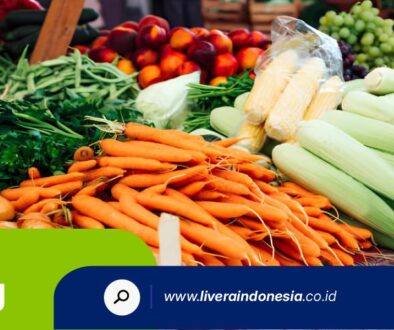
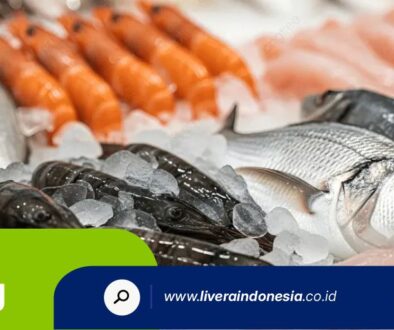
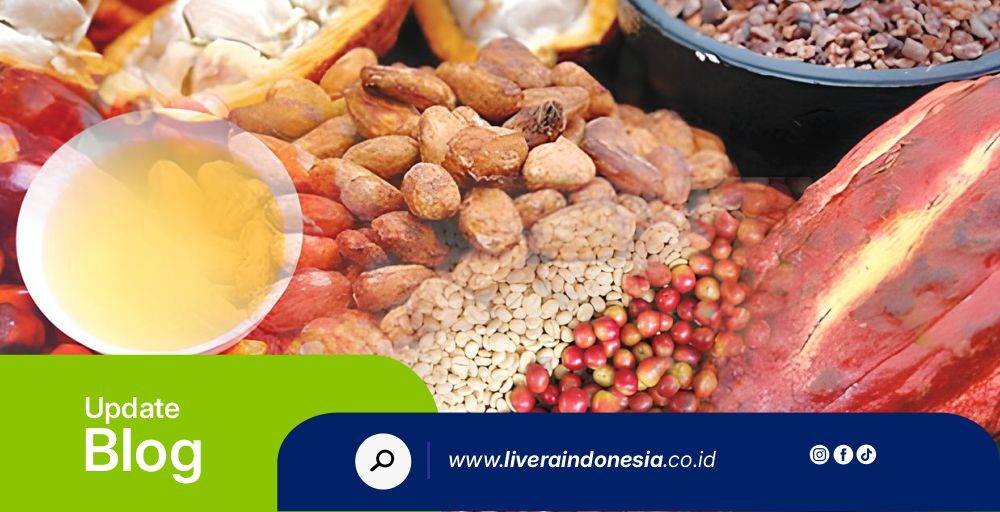
Indonesia’s agricultural sector produces a wide range of products, including rice, spices, coconut derivatives, cocoa, seafood, and halal meat. Combined with a rapidly developing halal certification framework, Indonesia has become a reliable source for halal-compliant food and agricultural raw materials.
Global demand for halal food continues to grow, particularly in the Middle East, Asia, and other international markets. Buyers today are not only looking for supply volume, but also for halal integrity, traceability, and regulatory compliance throughout the supply chain.
Livera Indonesia as a Halal Trade Gateway
Livera Indonesia operates as an Indonesia-based trading platform specializing in halal food products and agricultural raw materials. Its primary role is to function as a gateway that connects Indonesian producers and suppliers with global markets through a structured and compliant trade model.
Livera Indonesia focuses on aggregating supply from verified farmers, cooperatives, and producers, ensuring halal compliance and quality standards at the origin. Beyond sourcing, the company supports export–import facilitation, documentation, and supply chain coordination to ensure products are ready for international trade.
Integrated Global Trade Through Dubai
To reach global buyers efficiently, Livera Indonesia works within the global trade ecosystem of Livera International (Dubai), which serves as the main international hub and distribution center. Dubai’s strategic position as a global halal trade and logistics hub enables Indonesian halal food and agricultural products to access the Middle East and wider international markets.
Through this integrated trade corridor — Indonesia → Dubai → Global Markets — Livera Indonesia ensures that products sourced from Indonesia can move smoothly, compliantly, and competitively across borders.
Commitment to Halal Integrity and Compliance
Halal assurance is at the core of Livera Indonesia’s operations. The company ensures that halal food products originate from halal-certified producers, while agricultural raw materials are handled with strict halal integrity. Traceability and proper documentation are maintained throughout the supply chain to meet both Indonesian and international halal standards.
For Livera Indonesia, halal is not only about certification, but about trust, responsibility, and integrity from source to global market.
Supporting Sustainable and Long-Term Trade
By building long-term partnerships with farmers, cooperatives, producers, and international buyers, Livera Indonesia contributes to a more sustainable halal trade ecosystem. Its approach helps Indonesian suppliers gain access to global markets while offering international buyers a reliable source of halal food and agricultural commodities.
Conclusion
As global demand for halal food and agricultural products continues to expand, Indonesia’s role as a key supplier becomes increasingly important. Livera Indonesia bridges the gap between local production and international demand by providing structured trade facilitation, halal assurance, and global market access.
Through its position as Indonesia’s halal food and agriculture trade gateway, Livera Indonesia supports the growth of trusted, transparent, and sustainable halal trade on a global scale.